Hollywood Beach Salt Spray and Your Sliding Doors: A Broadwalk Resident's Guide
Living within a few blocks of the Hollywood Beach Broadwalk is its own special hell on sliding door hardware. Here's why your sliders fail twice as fast as your friends' inland, and the maintenance routine that actually keeps them moving.
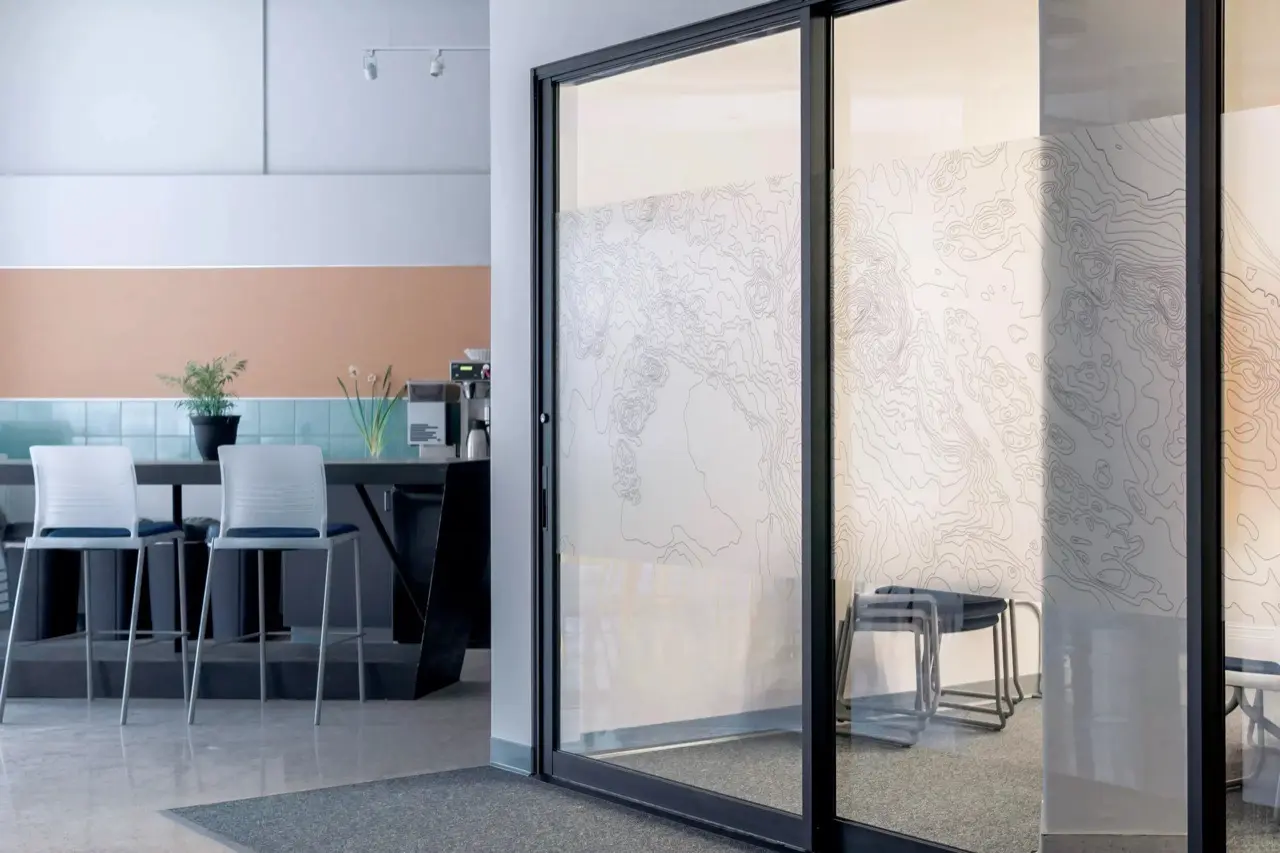
If you live in a condo along A1A, a 1950s ranch in Hollywood Lakes, or one of the bungalows two blocks off the Broadwalk, you already know your sliding doors don't last as long as the brochures claim. The reason isn't the doors. It's the air. Hollywood Beach pushes a salt-laden onshore breeze across your property roughly 320 days a year, and that fine salt mist gets into every roller bearing, lock cylinder, and aluminum track on the ocean-facing side of your home. We see it on every service call between Sheridan Street and Hallandale Beach Boulevard.
Why Salt Spray Wrecks Sliding Doors
Standard sliding door hardware is engineered for inland conditions: dry air, neutral pH, no chloride load. When you hang those same parts inside 1,500 feet of the Atlantic, three things happen fast. First, the steel ball bearings inside the rollers oxidize, flat-spot, and start gouging the aluminum track. Second, the brass and steel pins inside the lock cylinder fuse together (you've felt this, the key turns half-way and then stops). Third, the aluminum track itself starts pitting, which sounds cosmetic but isn't, every pit traps more salt and accelerates the next round of corrosion. A door that should last 15 years in Plantation might be limping by year 4 on the Broadwalk.
The Broadwalk Maintenance Routine
We've serviced enough oceanfront condos and Hollywood Lakes bungalows to put together a maintenance calendar that genuinely works. None of this is hard, but skipping it is what turns a quick roller swap into a full door replacement.
Monthly: Rinse the Track
Once a month, run a garden hose down both sides of the bottom track with the door rolled open. Plain fresh water. That's it. You're not trying to clean the door, you're trying to flush off the salt residue that accumulates from the daily breeze. Sounds dumb. Works. Customers who actually do this get 3x the roller life out of standard hardware.
Quarterly: Dry-Lube the Rollers and Lock
Every three months, hit the rollers and the lock mechanism with a marine-grade dry lubricant (silicone or PTFE, not WD-40, which actually attracts more salt over time). For the rollers, slide the door fully open, then spray the wheels through the gap at the end of the track. For the lock, a quick spray into the keyway through the door edge keeps the pin tumblers free. Sliding door lock repair is the most common call we get in winter, and 90% of the time it's a seized cylinder that quarterly lube would have prevented.
Annually: Full Inspection in November
After hurricane season ends but before the dry winter trade winds kick in, schedule a full sliding door inspection. We pull the door, check the rollers for pitting, mic the track for wear, test the lock under load, and inspect the perimeter seal on impact glass. November is also the cheapest time of year, post-storm rush is over, pre-snowbird-season has not started, and we have parts in stock.
Upgrades That Pay for Themselves on the Beach
If you live within a half-mile of the ocean, two upgrades are worth the extra money every time:
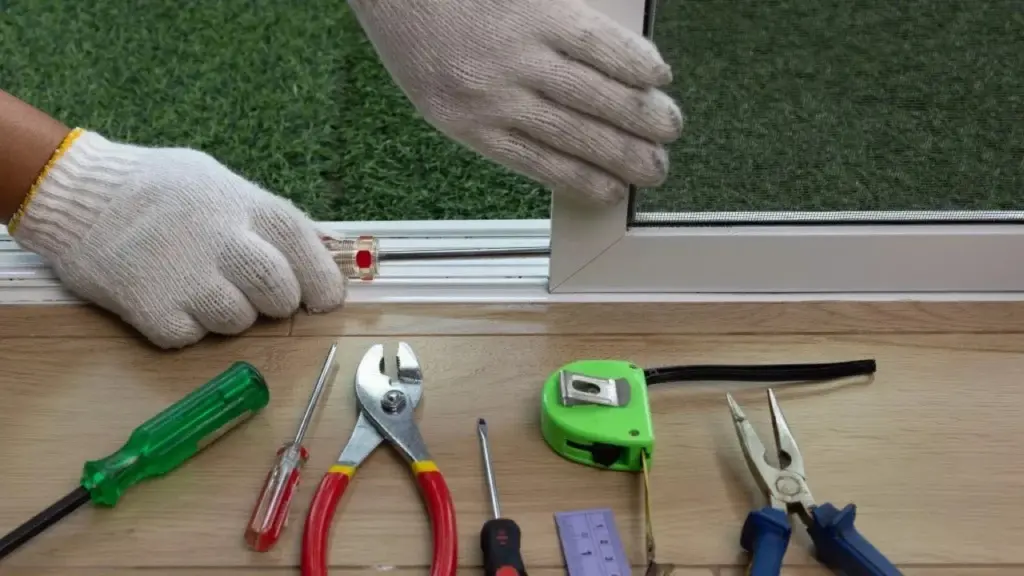
- Stainless-steel roller assemblies. Standard rollers use carbon-steel bearings inside a zinc housing (both rust on the coast). Stainless rollers cost a little more per assembly and last roughly 4x as long along the Broadwalk. Ask for them by name during any sliding door track repair visit.
- Stainless or fiberglass screen mesh. The default aluminum mesh on most screen doors is rated for 5 to 7 years inland and roughly 18 months on A1A. Upgrading to 18x16 fiberglass or 304 stainless mesh adds a small cost to a screen door replacement and saves the re-screen every couple of summers.
Impact Glass on the Beach: Watch the Perimeter Seal
Impact-rated sliding doors and windows installed under HVHZ code are great, until the salt eats the perimeter sealant. Once the bead around the laminated glass starts failing, salt moisture creeps between the laminate layers and the glass starts delaminating, that milky-white stripe you see on older oceanfront condos. At that point the door is no longer rated for hurricane debris, and your insurance carrier will catch it on the next wind-mit inspection. Impact sliding door repair can re-seal the perimeter if you catch it early. Wait too long and you're looking at full impact window repair with a new glazing unit.
When to Stop DIY and Call
If you're rinsing and lubing on schedule but the door still drags, jumps, or won't lock, that's hardware failure, not maintenance. Call (954) 317-1506 or request a free estimate online. We're local to Hollywood, we know the salt-corrosion patterns on every brand of slider sold along the Broadwalk, and we carry stainless replacement parts in stock so most jobs are same-visit. No upsells, no scare tactics, no "the whole door needs replacing" when a roller swap fixes it.
Coastal sliding door maintenance for Hollywood Beach residents:
- Monthly: fresh-water rinse the track
- Quarterly: dry-lube rollers and lock cylinder
- Annually (November): full slider inspection
- Upgrade to stainless rollers on every repair
- Watch impact-glass perimeter seal for salt creep